
By the UMF Honey Association
In short: More than 3.5 million U.S. households now buy mānuka honey, up by about 1.5 million since 2022. Its benefits come from the synergy of 70+ natural bioactive compounds, not MGO alone. The evidence is strongest for wound care and symptom soothing, with emerging human research in gut health. UMF’s multi-factor testing is the most reliable way to guide consumers on what to buy.
The UMF Honey Association presented “Why Mānuka Honey Matters Now” at Nutrition News Update in Scottsdale, Arizona, to national food and nutrition editors and media dietitians. Below are some highlights on what we shared:
How popular is mānuka honey in the U.S.?
Mānuka honey is one of the fastest-growing functional foods in the U.S. More than 3.5 million U.S. households now buy it, an increase of about 1.5 million since 2022.
Consumers most often seek mānuka honey for:
- Sore throats
- Coughs and colds
- Immunity
- Gut health
- Maintaining everyday health
What makes mānuka honey different from other honey?
Mānuka honey is a natural health product from New Zealand. Its beneficial attributes come from the synergy of more than 70 natural bioactive compounds, with antimicrobial, antioxidant, and anti-inflammatory activity.
Is MGO the only thing that matters in mānuka honey?
No. Methylglyoxal (MGO) is the best-known antibacterial compound in mānuka honey, but 2026 research from Aston University confirmed that MGO alone doesn’t explain the honey’s activity. MGO is less effective on its own than it is within mānuka honey, where it works alongside other antimicrobial, antioxidant, and anti-inflammatory compounds.
How should consumers choose a mānuka honey?
Look for UMF certification. UMF’s multi-factor testing reflects the full picture of what makes mānuka honey unique, rather than relying on a single marker. For dietitians and health professionals guiding consumers, this is the most important point to share.
What does the research say about mānuka honey’s health benefits?
The research is robust, and evidence strength varies by use:
- Strongest evidence: wound care and symptom soothing
- Emerging human research: gut health, including supporting the microbiome, easing symptoms of reflux, GERD, and dyspepsia, defending against H. pylori, and improving metabolic markers
How does UMF 5+ taste compared with UMF 20+?
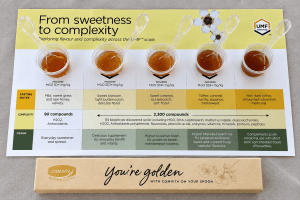
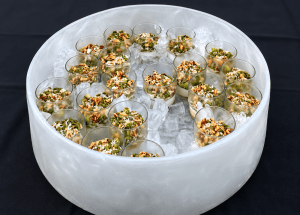
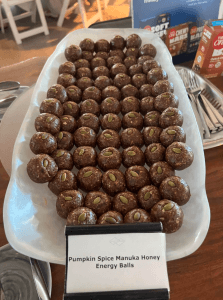
Attendees compared flavor differences across a tasting of UMF 5+ through 20+. New Zealand dietitian Danijela Armitage also developed two recipes for the event: pumpkin spice mānuka honey energy balls and New Zealand-inspired mānuka honey Greek yogurt parfaits.
Link to recipes here: NNU Recipes
Frequently Asked Questions
What is MGO in mānuka honey?
MGO (methylglyoxal) is the best-known antibacterial compound in mānuka honey. Research shows it doesn’t explain the honey’s activity on its own.
How many bioactive compounds are in mānuka honey?
More than 70 natural bioactive compounds work together to produce its beneficial attributes.
Is the research on mānuka honey strong?
Evidence is strongest for wound care and symptom soothing. Human research on gut health is emerging.
Where can I get the presentation?
Email analiese@umf.org.nz to request a copy of “Why Mānuka Honey Matters Now.”


