

Here at the UMF™ Honey Association we are often asked what the evolution of GLP-1 “weight loss” drugs mean for our New Zealand mānuka honey. GLP-1 medications such as Ozempic, Wego, and Mounjaro are rapidly changing how millions of people manage weight and blood sugar. While these drugs can be effective, they also introduce new nutritional challenges — including reduced appetite, digestive discomfort, and difficulty meeting basic nutrient needs. In this context, mānuka honey offers a unique and timely role as a natural, functional food.
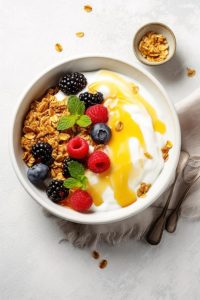
Select foods rich in nutrients even when trying to eat less.
The Nutritional Gap Created by GLP-1 Drugs
GLP-1 therapies work by slowing gastric emptying and suppressing appetite. As a result, many users report:
- Eating significantly less food overall
- Reduced tolerance for heavy or complex meals
- Gastrointestinal side effects such as nausea, reflux, or constipation
This can unintentionally lead to low energy intake, inadequate micronutrients, and compromised gut health — especially when diets become overly restrictive.
Why Mānuka Honey Matters
Mānuka honey is not just a sweetener. It is a nutrient-dense, bioactive food that can play a supportive role when food intake is limited.
Mānuka honey also has a lower glycemic index (GI) compared to refined sugars, meaning it causes a slower, steadier rise in blood sugar for a more balanced energy release. This makes mānuka honey a better choice than table sugar for diabetics and others managing blood sugar concerns – plus, mānuka honey offers a plethora of other health benefits in addition to safely managing glucose levels.
Key benefits include:
- Gentle, easily digestible energy
When appetite is low, small amounts of mānuka honey can provide quick carbohydrates without overwhelming the digestive system. (CN: Slower release than other honeys and sugars/less aggressive glucose spike) - Gut and digestive support
Mānuka honey contains unique antibacterial, anti-inflammatory, antioxidant and prebiotic compounds that may help support a balanced gut environment — particularly relevant for individuals experiencing digestive disruption. - Natural antimicrobial properties
In an era of increased focus on immune and gut health, Mānuka’s naturally occurring bioactives offer benefits that go beyond basic sugars. (CN: Wang, et. al., 2024, Mohan al., 2017, Rosendale et.al., 2008) - Palatability when food is unappealing
For people struggling to enjoy food while on GLP-1 medications, Mānuka honey can enhance taste and encourage nourishment without large portions.
A Complement, Not a Cure
It’s important to be clear: Mānuka honey is not a replacement for medication, nor is it a weight-loss solution. However, it can be a valuable complement — helping people nourish their bodies, support digestion, and maintain energy while navigating appetite suppression.
Looking Ahead
As GLP-1 drugs continue to reshape global nutrition patterns, the conversation must expand beyond calories and weight alone. Functional foods like mānuka honey will play an increasingly important role in supporting gut health, enjoyment of food, and overall well-being in this new dietary landscape.
Sometimes, less food means we must choose better food — and mānuka honey stands out as one of nature’s most relevant options for this moment.


