
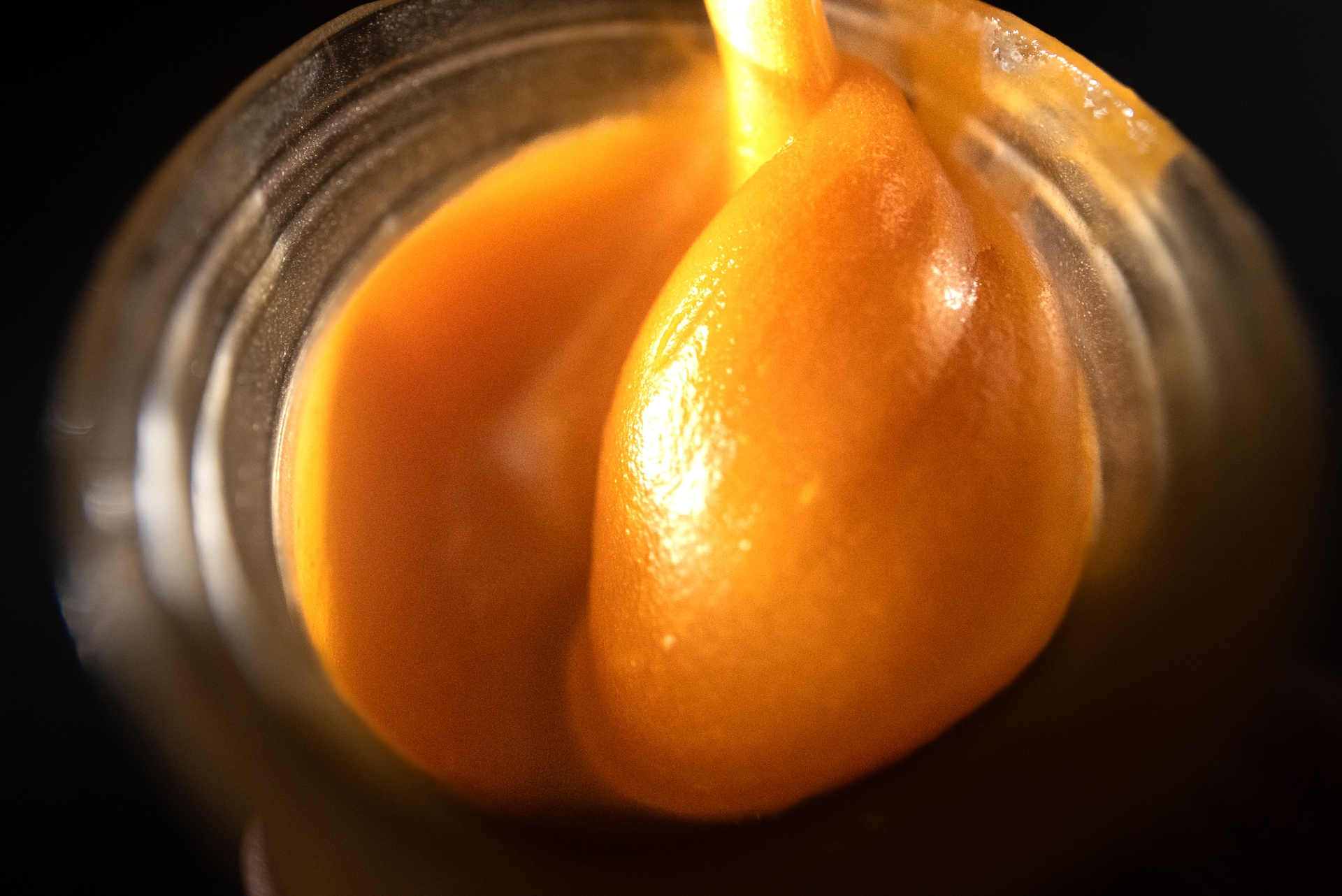
UMF™ certified mānuka honey is a functional food with a body of research spanning gut health, inflammation, immunity, wound healing, and upper respiratory support. Unlike table sugar, agave, maple syrup or regular honey, it contains 2,300+ identified compounds, including over 50 with measurable bioactivity, and is used at a specific dose (UMF 10+ for therapeutic purposes) – along with being a delicious functional addition to foods and beverages.
The Category Mistake
Walk into any grocery store and honey sits in the baking aisle, next to peanut butter, jam, and sugar substitutes like agave and maple syrup. That placement shapes how people think about honey: as a spread, a sweetener, an ingredient.
But mānuka honey, harvested from the native mānuka tree (Leptospermum scoparium) in New Zealand, doesn’t belong in that category. Global research over four decades identifies it as the most extensively studied medicinal honey, with antibacterial, antioxidant, anti-inflammatory, and antimicrobial properties that set it apart from conventional honey.
How a food gets categorized isn’t a small detail. Category determines how it’s recommended, how much of it people consume, and what outcomes they should reasonably expect. Treating mānuka honey like table sugar means missing what it actually does.
What the Research Shows About Mānuka Honey
- Compositional complexity: Mānuka honey contains more than 2,300 compounds, with over 50 shown to have measurable bioactivity.
- Synergy, not working in isolation: Methylglyoxal (MGO) is the most talked-about compound, but phenolics, flavonoids, enzymes, and organic acids each act on distinct biological pathways. The evidence points to mānuka honey functioning as a whole-food system, where its effects come from the combined activity of its components, not one isolated molecule.
- Broad and growing research base: Current research areas include gut health, immune support, wound healing, coughs and colds, upper respiratory support, oral health, tumor growth, and antibiotic resistance, with benefits tied to regular, consistent consumption.
- Lower glycemic impact: Mānuka honey has a lower glycemic index (GI) than refined sugar and regular honey, producing a slower, steadier rise in blood sugar rather than a spike.
Why UMF™ Certification Matters

UMF™ certification tests and verifies levels of the compounds associated with mānuka honey’s bioactivity, functioning much like an active-ingredient and concentration listing on a supplement label.
UMF 10+ is the threshold generally recommended for therapeutic use.
Frequently Asked Questions
Is mānuka honey the same as regular honey? No. While both share a base composition of sugars and water, mānuka honey contains a distinct profile of bioactive compounds including methylglyoxal (MGO), phenolics, flavonoids, enzymes, and organic acids that regular honey does not have in comparable concentrations.
What does UMF™ certification measure? UMF™ certification tests for key markers associated with mānuka honey’s bioactivity, giving a verified, quantifiable basis for recommending a specific product and grade.
What UMF™ rating should be used for therapeutic purposes? UMF 10+ is generally recommended for therapeutic use.
Does mānuka honey affect blood sugar the same way regular honey or sugar does? No. Mānuka honey has a lower glycemic index than refined sugar and regular honey, resulting in a slower, more gradual rise in blood sugar.
What health areas does mānuka honey research currently cover? Current areas of study include gut health, immune support, wound healing, coughs and colds, upper respiratory support, oral health, tumor growth, and antibiotic resistance, and other emerging areas including oncology, neuroprotection, and metabolic disease.
For more on the functional benefits of UMF™ mānuka honey, visit our Health Professionals Resource Page.


